
As I stood in my kitchen, the comforting scent of garlic and ginger wafted through the air, instantly transporting me to a bustling street market in Seoul. This Irresistible Korean Pot Roast is my go-to recipe when I crave something hearty yet exciting. It’s not just the flavors that make it a hit; this comforting dish is also a hands-off cooking experience—perfect for busy weeknights. The tender, braised beef soaked in a rich sauce of soy, ginger, and a hint of sweetness promises to be a family favorite. Whether you’re impressing guests or simply enjoying a cozy night in, this Korean Pot Roast brings joy to the table. Ready to indulge in some bold flavors? Let’s dive into this delightful recipe!
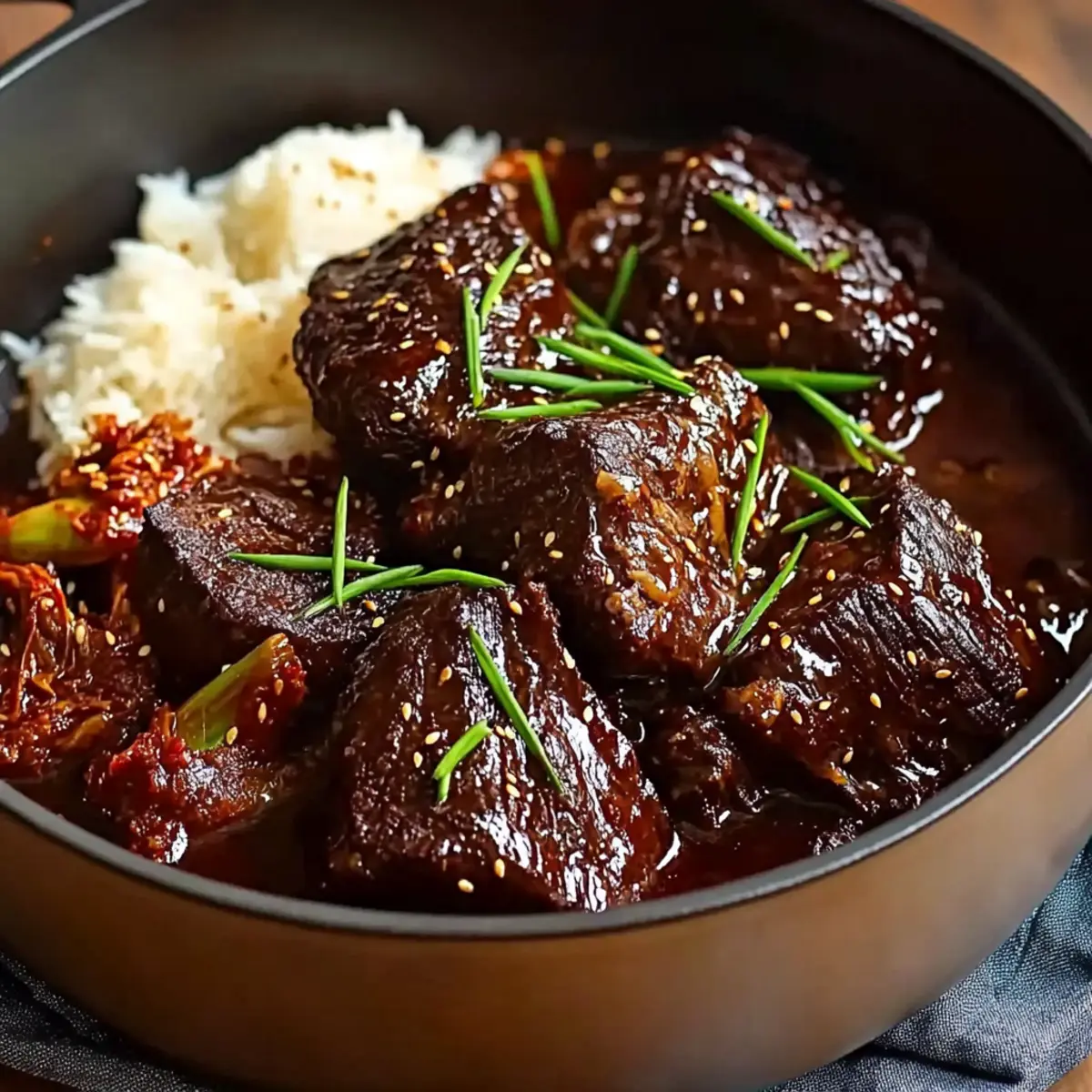
Why is this Korean Pot Roast Irresistible?
Hands-Off Cooking: This recipe is perfect for busy days, requiring minimal effort for maximum flavor; simply set it and forget it!
Flavor Explosion: The marriage of soy sauce, ginger, and garlic creates a savory, sweet sauce that bathes the beef in deliciousness.
Comfort Food Classic: A unique twist on a traditional favorite, this dish is destined to be a warm hug in a bowl, appealing to everyone.
Family-Friendly Delight: With tender meat and a rich sauce, it’s a meal that even the pickiest eaters will love — perfect for gathering around the dinner table.
Versatile Serving Options: Pair it with fluffy rice, crunchy kimchi, or even fresh veggies like bok choy for a fully rounded meal. Looking for more delightful recipes? Check out Cheese Onion Potato or Potato Green Chili for additional comfort food inspiration!
Korean Pot Roast Ingredients
• Get ready to savor every bite!
For the Meat
- Chuck Roast – Choose a well-marbled cut (4-5 lbs) for ultimate tenderness; your butcher can cut it into 3-inch pieces if needed.
For the Seasoning
- Kosher Salt – Essential for enhancing the flavor; don’t skimp on seasoning the meat well.
- Vegetable Oil – Great for browning the beef; can substitute with canola or grapeseed oil if preferred.
For the Aromatics
- Sweet Onion – Adds a depth of sweetness; yellow onion works as a substitute if you’re in a pinch.
- Garlic (6 cloves, minced) – Use fresh garlic for the best aroma and flavor; it makes all the difference!
- Fresh Ginger (1 tbsp, grated) – A hint of warmth and spice; if fresh is unavailable, ground ginger can be used, though the flavor will differ.
For the Sauce
- Gochujang Paste (2 tbsp) – Provides a unique heat and depth; can substitute with another chili paste based on your spice level preferences.
- Brown Sugar (1/4 cup) – Balances the savory and spicy notes; maple syrup can work as an alternative.
- Low-Sodium Soy Sauce or Tamari (1/2 cup) – This is the backbone of your sauce; tamari is a fantastic gluten-free option.
- Beef Stock (2 cups) – Infuses moisture and flavor; homemade stock can be a healthier substitution.
For Serving
- Fresh Cilantro – Brightens up each serving; if you don’t have it, green onions are a great replacement, or feel free to omit it.
- Cooked Rice – Perfect to soak up that delicious sauce; both white or brown rice work wonderfully here.
- Kimchi – A traditional side that balances the meal; substitute with pickled vegetables if you’d prefer something milder.
Get ready to enjoy the warm, comforting flavors of this irresistible Korean Pot Roast!
Step‑by‑Step Instructions for Korean Pot Roast
Step 1: Preheat and Prepare
Begin by preheating your oven to 350°F (175°C) and adjust the rack to the lower third. While the oven heats, pat your 4-5 lbs chuck roast pieces dry with paper towels and season them generously on all sides with kosher salt. This step is crucial for flavor and helps the meat sear perfectly.
Step 2: Brown the Beef
In a large Dutch oven, heat 2 tablespoons of vegetable oil over medium-high heat until shimmering. Add the salted chuck roast pieces and sear them for about 10 minutes, turning occasionally until browned on all sides. This process will develop rich flavors, so take your time and set the beef aside once done to trap those savory juices.
Step 3: Sauté the Aromatics
Lower the heat to medium and add the sliced sweet onion to the hot Dutch oven. Sauté the onions for approximately 4 minutes, stirring frequently until they become slightly softened and translucent. This step will infuse the pot with sweetness, setting the foundation for the Korean pot roast’s flavor.
Step 4: Add Garlic and Ginger
Stir in 6 minced garlic cloves and 1 tablespoon of grated fresh ginger, cooking for about 1 minute until fragrant. Keep an eye on the mixture to ensure it doesn’t brown too much; if it does, you can deglaze the pot with 1/4 cup of beef stock, scraping up any bits stuck to the bottom for added flavor.
Step 5: Create the Sauce
Mix in 2 tablespoons of gochujang paste, 1/4 cup of brown sugar, and 1/2 cup of low-sodium soy sauce. Stir the ingredients together and cook for another 2-3 minutes until fully combined, creating a rich, sauce base for your Korean pot roast that is both savory and slightly sweet.
Step 6: Combine and Simmer
Return the browned beef along with any juices to the pot. Pour in the remaining 2 cups of beef stock and stir gently to combine all ingredients. Bring the mixture to a gentle simmer over medium heat for about 5 minutes, allowing the flavors to meld together before moving on to the next step.
Step 7: Braise in the Oven
Cover the Dutch oven with its lid and transfer it to your preheated oven. Let the Korean pot roast braise for 2 hours, checking halfway through. This slow cooking method will tenderize the beef and develop a beautifully rich sauce, so resist the temptation to open the lid too often.
Step 8: Serve and Enjoy
After 2 hours, check the beef—if it’s fork-tender and easily shreddable, it’s ready! Serve the Korean pot roast family-style over fluffy rice, garnished with fresh cilantro and accompanied by kimchi for that perfect balance. Enjoy the comforting flavors and aromas that fill your home!
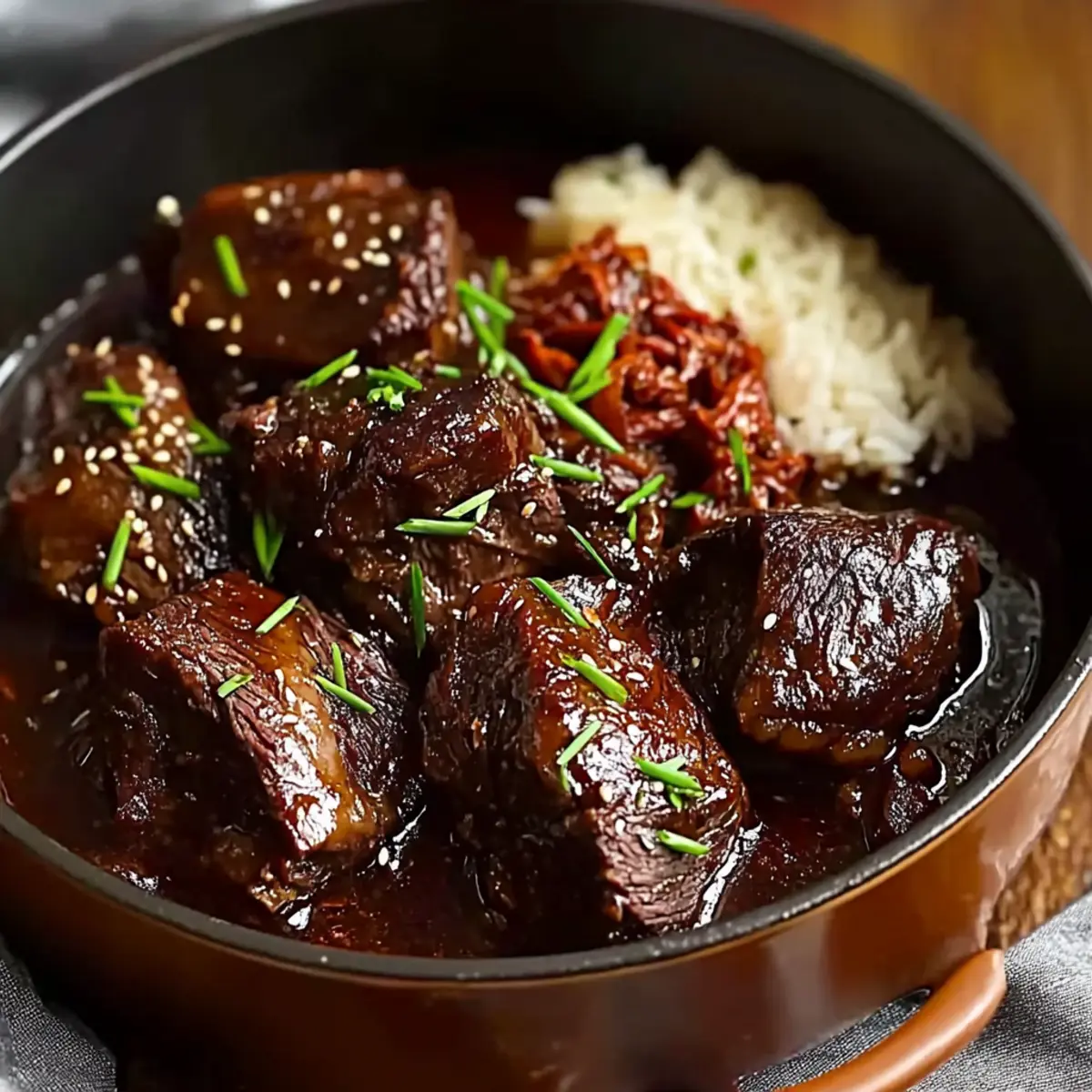
What to Serve with Irresistible Korean Pot Roast
A heartwarming meal calls for the perfect sides to enhance those bold flavors and create a delightful dining experience.
-
Fluffy White Rice: Serves as a comforting base that soaks up the savory sauce, allowing each bite to burst with flavor.
-
Kimchi: This traditional Korean side provides a crunchy contrast and a tangy flavor that beautifully balances the richness of the pot roast.
-
Steamed Bok Choy: Adds a fresh, vibrant element, and its slight bitterness complements the sweetness of the roast.
-
Garlic Mashed Potatoes: Creamy and buttery, these potatoes make a cozy pairing with the tender beef, providing a delightful contrast in texture.
-
Pickled Radishes: Their crispness and tartness cut through the richness of the meat, making every mouthful exciting and refreshing.
-
Cold Cucumber Salad: This light, crunchy side dish offers a refreshing contrast to the hearty pot roast, enhancing the overall meal experience.
-
Chilled Soju: A traditional Korean spirit, its smoothness adds a cultural touch and a delightful way to wash down the meal.
-
Chocolate Mousse: For dessert, this rich, airy treat rounds off the meal, providing a sweet finish that balances the savory flavors of the pot roast.
Storage Tips for Korean Pot Roast
Fridge: Store the Korean pot roast in an airtight container for up to 4 days. The flavors actually deepen, making leftovers a delightful treat!
Freezer: If you want to keep it longer, freeze the pot roast for up to 3 months. Portion it into containers for easy reheating later.
Reheating: To enjoy your leftovers, thaw in the refrigerator overnight, then gently reheat on the stovetop or in the microwave until warmed through, adding a splash of beef stock to maintain moisture.
Avoid Room Temperature: Do not leave the pot roast out at room temperature for more than 2 hours to ensure safety and maintain its delicious taste.
Expert Tips for Korean Pot Roast
- Season Generously: Always use a good amount of kosher salt on your chuck roast. Improper seasoning can result in bland meat, negating the recipes’ bold flavors.
- Brown, Don’t Rush: Take your time while browning the beef; this step layers beautiful flavors that elevate your Korean pot roast. Avoid high heat, which can lead to uneven cooking.
- Watch the Liquid: Keep an eye on the liquid content as it cooks; if it gets too watery, the sauce may lose its richness. Start with the right amount of beef stock!
- Patience is Key: Allow the pot roast to rest for at least 10-15 minutes after cooking. This lets the juices redistribute, ensuring every bite is juicy and tender.
- Customize Spice Level: Adjust gochujang paste to suit your family’s taste. For a spicier kick, add extra or accompany with sliced jalapeños!
- Perfect Pairings: Serve your pot roast not just with rice but also with fresh veggies like bok choy. This completes the meal in a wholesome way and enhances the overall dining experience!
Korean Pot Roast Variations & Substitutions
Feel free to get creative with your Korean pot roast and discover delightful variations that excite the palate!
- Spicy Kick: Add more gochujang or toss in sliced jalapeños to amp up the heat. Your taste buds will thank you for the adventure!
- Brisket Swap: Replace chuck roast with brisket for a different texture, offering a richer, buttery flavor with every bite.
- Short Rib Twist: For a melt-in-your-mouth experience, use short ribs. Their marbling makes for an exceptionally tender dish.
- Vegetable Medley: Boost nutrition by adding vegetables like carrots and potatoes during the braising process for a one-pot wonder!
- Maple Sweetness: Swap brown sugar for maple syrup to lend a subtle twist of flavor that pairs beautifully with the savory sauce.
- Soy Sauce Alternatives: Opt for coconut aminos for a soy-free version without compromising on the delicious umami flavor.
- Fresh Herb Garnish: Instead of cilantro, top with fresh green onions or even parsley for a bright finishing touch.
- Side Swap: Pair with cold cucumber salad or pickled radishes instead of kimchi for a refreshing contrast to the savory dish.
Looking for more comforting side dishes? Consider trying out Greek Lemon Potatoes or experiment with Potato Green Chili for an added twist on flavor!
Make Ahead Options
These irresistible Korean Pot Roast preparations are perfect for busy home cooks looking to save time during the week! You can season and brown the beef, then let it cool before refrigerating it for up to 24 hours. Additionally, you can chop the onions and mince the garlic and ginger the day before to streamline your cooking process. When ready to serve, simply combine the prepped ingredients and follow the remaining steps, braising the pot roast in the oven. For maintaining quality, ensure everything is sealed properly in the fridge and reheat gently to preserve tenderness. You’ll enjoy tender, flavorful meat with minimal effort, transforming mealtime into a joyous occasion!
Korean Pot Roast Recipe FAQs
What type of meat is best for a Korean pot roast?
Absolutely! For the best results, you want to choose a well-marbled chuck roast, ideally weighing between 4 to 5 pounds. This cut has the perfect balance of fat and meat, ensuring tender, juicy bites. If your butcher can cut it into 3-inch pieces, that’s a great way to save time and effort in your cooking process!
How should I store leftover Korean pot roast?
You can store the Korean pot roast in an airtight container in the fridge for up to 4 days. The flavors continue to deepen while it sits, making leftovers even tastier! If you want to keep it longer, it can be frozen for up to 3 months. Just make sure to portion it into containers for easier reheating later.
Can I freeze Korean pot roast?
Yes! Freezing your Korean pot roast is a great way to enjoy it later. To freeze, let it cool completely, then transfer it to airtight freezer-safe containers or resealable bags, removing as much air as possible. When you’re ready to eat, thaw the pot roast in the fridge overnight and then reheat gently on the stove or in the microwave, adding a bit of beef stock if it seems dry.
What should I do if my sauce is too watery?
If you find that your sauce is too watery after cooking, don’t worry! You can reduce the liquid by simmering it in a pot over medium heat until it thickens to your desired consistency. Just keep stirring regularly to avoid any burning. A cornstarch slurry (1 tablespoon of corn starch mixed with 2 tablespoons cold water) can also be added to thicken the sauce quickly if you’re short on time.
Are there any dietary considerations with this recipe?
Very! This Korean pot roast is primarily gluten-free when using tamari instead of regular soy sauce. For those with allergies, be sure to check the labels on your ingredients, especially if using store-bought beef stock, as some may contain gluten or other allergens. Always consider the dietary needs of your guests or family members and adjust ingredients accordingly!
How can I serve my Korean pot roast for a complete meal?
For a well-rounded meal, serve your Korean pot roast alongside fluffy rice — it soaks up that delicious sauce beautifully! Adding sides like kimchi for some crunch, steamed bok choy, or fresh green beans will elevate your dining experience and introduce more textures and flavors. The more the merrier, so feel free to mix and match based on your family’s preferences!
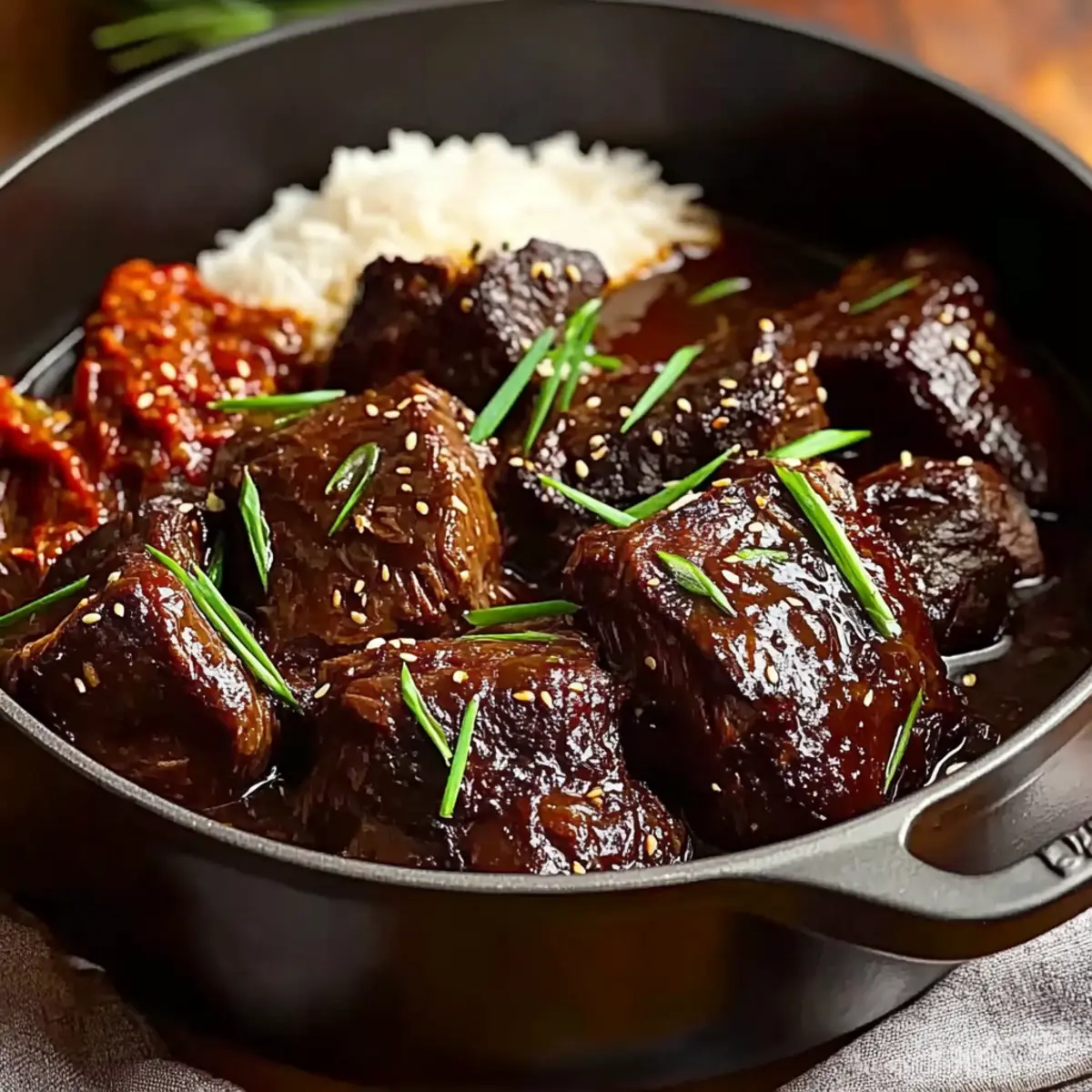
Korean Pot Roast: Comfort Food That Warms the Soul
Ingredients
Equipment
Method
- Preheat your oven to 350°F (175°C) and pat your chuck roast pieces dry. Season generously with kosher salt.
- In a large Dutch oven, heat vegetable oil over medium-high heat and sear the seasoned beef for about 10 minutes until browned on all sides.
- Lower the heat to medium, add sliced sweet onion, and sauté for about 4 minutes until softened and translucent.
- Add minced garlic and grated ginger to the pot; cook for about 1 minute until fragrant, scraping up any bits that stick.
- Mix in gochujang paste, brown sugar, and low-sodium soy sauce and cook for another 2-3 minutes until fully combined.
- Return the browned beef and pour in the remaining beef stock. Bring to a simmer for about 5 minutes.
- Cover the pot and braise in the oven for 2 hours, checking halfway through.
- After 2 hours, check if the beef is fork-tender. Serve over rice, garnished with cilantro and accompanied by kimchi.
Leave a Reply